
Most people think budgeting means restriction — saying no to everything fun, tracking every coffee, and turning your life into a spreadsheet.
It doesn’t.
A budget is simply a plan for your money. It helps you decide where your income goes before you spend it, instead of reaching the end of the month wondering where it all went.
If you’ve never made a budget before, don’t worry. You do not need to be good at maths, use a complicated app, or build the perfect system on day one. You just need a starting point.
This guide will show you how to make a budget step by step, even if you’re a complete beginner.
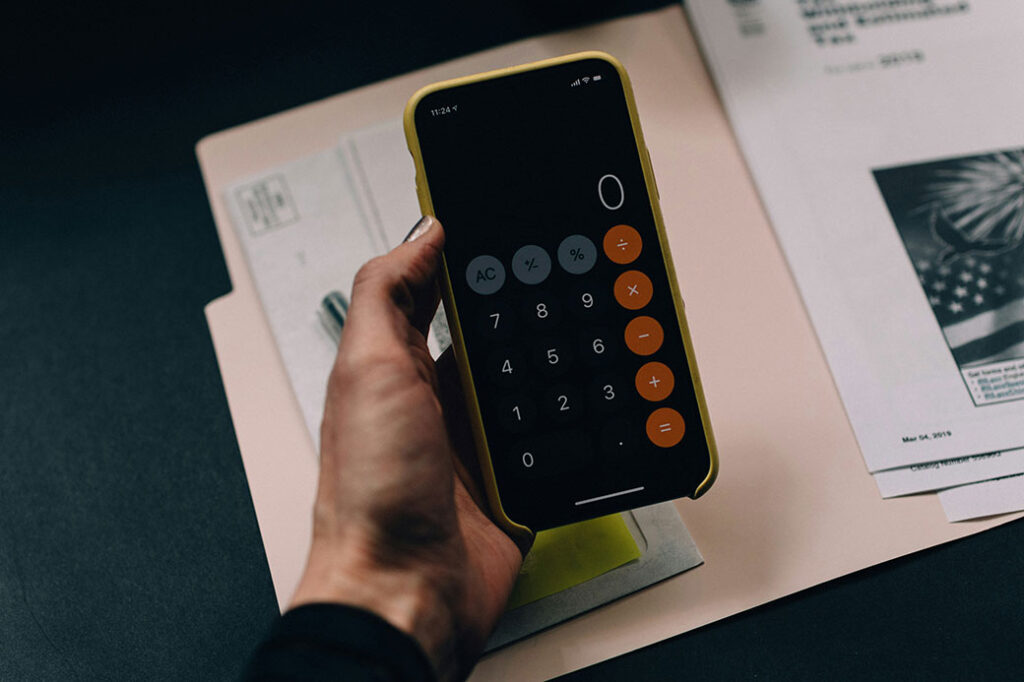
What Is a Budget?
A budget is a plan for how you’ll use your money each month.
It shows:
- how much money is coming in
- how much is going out
- what you need to pay for
- what you want to spend
- what you want to save
That’s it.
A good budget is not about punishing yourself. It’s about giving your money a purpose. When you have a budget, you’re less likely to overspend by accident and more likely to make progress on goals like building savings, paying off debt, or simply feeling less stressed.
Why Budgeting Matters
A lot of people avoid budgeting because they think it will make them feel bad. In reality, most people feel worse without one.
When you don’t have a budget, money tends to disappear in ways that are hard to explain. Bills pop up, small purchases add up, and suddenly there’s not much left.
Budgeting helps because it gives you clarity.
It can help you:
- reduce money stress
- stop living paycheck to paycheck
- save for emergencies
- pay off debt faster
- feel more in control of everyday spending
- make room for fun without guilt
You don’t need a perfect budget. You just need one that works well enough to guide your decisions.
Why Most People Never Make a Budget
The honest reason most people avoid budgeting is simple: it feels overwhelming.
You may not know where to start. You may be worried the numbers won’t look great. Or you may assume budgeting only works for people who are already organised.
None of that is true.
The money is already going somewhere whether you track it or not. A budget just helps you see it and shape it.
And if your finances feel messy right now, that’s actually a good reason to make a budget — not a reason to avoid one.
How to Make a Budget for Beginners
If you’re new to budgeting, follow these six steps.
Step 1: Work Out Your Monthly Take-Home Income
Start with the amount of money that actually lands in your bank account after tax, not your salary before deductions.
This is your take-home pay.
If you’re paid a fixed salary, this part is easy. If your income changes from month to month because you freelance, work shifts, earn tips, or run a business, use the average from the last three months.
Make sure you include all regular income sources, such as:
- wages or salary
- freelance income
- side hustle income
- child support
- benefits
- rental income
- any other money you receive consistently
Write down your total monthly income.
Example
- Monthly salary after tax: $3,200
- Side income: $400
Total monthly income: $3,600
If your income varies a lot, it’s smart to budget using your lowest normal month, not your best one. That gives you more breathing room.
Step 2: List Your Fixed Expenses
Fixed expenses are the bills that usually stay the same each month. You may not be able to change them quickly, so they form the foundation of your budget.
Common fixed expenses include:
- rent or mortgage
- car payment
- insurance
- phone bill
- internet
- subscriptions
- minimum debt payments
- childcare
- school fees
Add these together to get your fixed monthly costs.
Why this step matters
Once you know your fixed expenses, you’ll have a clearer idea of how much flexibility you actually have. A lot of people feel broke without knowing whether the real issue is high essentials, overspending, or simply not having a plan.
Step 3: Estimate Your Variable Expenses
Variable expenses change from month to month. These are usually the categories where people overspend without noticing.
Common variable expenses include:
- groceries
- takeaway and dining out
- petrol or transport
- shopping
- entertainment
- personal care
- gifts
- household items
- pet costs
If you’re not sure what to put here, go through your bank statements from the last two or three months and look for patterns.
Try to be honest. This part only works if the numbers are real.
A common mistake is underestimating categories like food, impulse spending, or weekend spending. If you know you usually spend more than you’d like, budget for the real number first. You can always work on reducing it later.
Step 4: Subtract Your Expenses From Your Income
Now do the basic calculation:
Income − fixed expenses − variable expenses = money left over
This number tells you what’s left after your regular spending.
If the number is positive
Great. That money can go toward:
- savings
- debt payoff
- investing
- sinking funds
- extra financial goals
If the number is zero
That’s okay. It means your current budget is tight, but at least you know where you stand.
If the number is negative
That means you’re spending more than you bring in. That can feel uncomfortable, but it’s also useful information. Now you can start making changes.
That might mean:
- cutting some variable spending
- cancelling unused subscriptions
- negotiating bills
- increasing your income
- temporarily reducing non-essential spending
A negative number is not a failure. It’s just a signal that something needs adjusting.
Example budget
- Monthly income: $3,600
- Fixed expenses: $1,800
- Variable expenses: $900
Money left over: $900
That $900 can now be assigned to specific goals.
Step 5: Give Every Dollar a Job
This is the step that turns a list of numbers into an actual budget.
Once you know what’s left over, decide what each dollar or pound is for before you spend it.
You might put that money toward:
- emergency savings
- credit card debt
- investing
- travel
- home repairs
- annual bills
- future goals
This is often called zero-based budgeting, even if you don’t use that term. The basic idea is simple: every bit of money should have a purpose.
That doesn’t mean you need to spend every dollar. It means even your savings should be assigned intentionally.
A simple budgeting rule for beginners: the 50/30/20 budget
A popular starting point is the 50/30/20 rule:
- 50% for needs
- 30% for wants
- 20% for savings and debt repayment
This works well as a rough guide, especially if you’re brand new to budgeting.
But don’t treat it like a rule you have to follow exactly.
In expensive cities, your needs may be much higher than 50%. If you’re paying off debt, you may want to put more than 20% toward repayments. If you’re in survival mode, your budget may just focus on covering essentials for now.
Use the rule as a framework, not a test.
Step 6: Choose a Budgeting Method You’ll Actually Use
The best budget is the one you’ll stick with.
There are lots of budgeting methods, but most beginners do well with one of these:
Option 1: A simple spreadsheet
If you like seeing everything in one place, a spreadsheet is a great starting point. Google Sheets has free templates you can use right away.
Best for:
- people who like control
- people comfortable with basic numbers
- anyone who wants a free budgeting system
Option 2: A budgeting app
Budgeting apps can automatically categorise spending, sync with your bank, and make tracking easier.
Best for:
- people who want convenience
- people who hate spreadsheets
- anyone who wants reminders and automation
Option 3: The envelope method
This method works especially well if you tend to overspend in a few specific categories. You set a fixed amount for each category and stop when it’s gone.
Best for:
- people who overspend on cards
- people who need clear limits
- beginners who want something simple and visual
You can also mix methods. For example, you might track everything in an app but use a cash envelope for groceries or eating out.
How to Make a Budget if Your Income Changes Every Month
If you’re self-employed, freelance, work shifts, or earn commission, budgeting can feel harder — but it’s still possible.
Here are a few tips:
Budget from your lowest normal month
If your income ranges from $2,500 to $4,000, build your budget around the lower figure. That keeps you safer in slow months.
Prioritise essentials first
List your must-pay expenses:
- housing
- utilities
- groceries
- transport
- insurance
- minimum debt payments
Cover those first before planning for extras.
Create a buffer
In higher-income months, put some money aside so you can smooth out the leaner ones.
Separate business and personal money
If you’re self-employed, this makes budgeting much easier and prevents confusion.
A variable income budget may need more frequent adjustments, but it absolutely can work.
What to Do if Your Expenses Are Higher Than Your Income
This is more common than people think.
If your budget comes out negative, don’t panic. Start by looking for the easiest wins.
Review these first:
- subscriptions you forgot about
- takeaway and dining out
- impulse spending
- convenience purchases
- high utility use
- insurance costs
- unused memberships
Then ask:
- Can I lower any monthly bills?
- Can I pause non-essential spending for a while?
- Can I pick up extra income temporarily?
- Can I sell anything I no longer use?
If the gap is large, you may need a bigger reset. But even then, a budget helps because it shows you the exact size of the problem.
You can’t fix what you can’t see.
Budgeting Tips for Beginners
If you want your budget to actually work, these tips help.
Start simple
You do not need 27 categories and a colour-coded spreadsheet. A few broad categories is enough to begin.
Review your budget every month
A budget is not something you set once and forget. Check it monthly and make small adjustments.
Include fun money
If your budget feels like punishment, you’ll give up. A little guilt-free spending makes the plan more realistic.
Plan for irregular expenses
Things like birthdays, car repairs, holidays, school costs, and annual subscriptions should not surprise you every time. Break them into monthly amounts and save gradually.
Expect mistakes
Your first budget will not be perfect. That’s normal. Budgeting is a skill, and skills improve with practice.
Common Budgeting Mistakes to Avoid
Here are some of the biggest mistakes beginners make:
1. Making the budget too strict
If you cut everything enjoyable, the budget won’t last.
2. Forgetting irregular expenses
Annual bills and surprise costs can wreck a budget if they’re not planned for.
3. Not checking in regularly
A budget only works if you look at it.
4. Guessing instead of using real numbers
Use your bank statements where possible.
5. Giving up after one bad month
One rough month does not mean budgeting failed. It means life happened.
Simple Monthly Budget Example
Here’s a beginner-friendly monthly budget example:
Income
- Salary: $3,200
- Side income: $400
Total income: $3,600
Fixed expenses
- Rent: $1,100
- Car payment: $280
- Insurance: $190
- Phone and internet: $120
- Subscriptions: $110
Total fixed expenses: $1,800
Variable expenses
- Groceries: $300
- Dining out: $200
- Transport: $150
- Entertainment: $100
- Personal spending: $150
Total variable expenses: $900
Left over
$900
Give that $900 a job
- Emergency fund: $400
- Credit card debt: $300
- Travel savings: $100
- Annual bills fund: $100
That’s a real budget. It doesn’t need to be complicated.
How Often Should You Review a Budget?
At minimum, review your budget once a month.
A monthly review helps you:
- check if your estimates were realistic
- see where you overspent
- adjust for upcoming expenses
- improve the next month’s plan
You can also do a quick 10-minute check every week if that helps you stay on track.
The more often you pay attention, the less likely your budget is to drift.
Your Budget Does Not Have to Be Perfect
This matters more than any budgeting method.
The best budget is the one you actually use.
It can live in a notebook, a notes app, a spreadsheet, or an app on your phone. The budget does not need to look polished. It just needs to be clear enough to guide your spending.
You will forget categories, underestimate things, and you will have months where the plan falls apart.
That’s normal.
The goal of budgeting is not perfection. It’s awareness, control, and progress over time.
Start with what you know. Adjust as you go. Keep it simple.
Key Takeaways
- A budget is a plan for your money, not a punishment.
- Start with your monthly take-home income.
- List fixed expenses and variable expenses separately.
- Subtract your spending from your income to see what’s left.
- Give every dollar a purpose before you spend it.
- Choose a budgeting method you’ll actually stick with.
- Review your budget monthly and adjust as needed.
- A simple budget you use is better than a perfect budget you avoid.
FAQ: How to Make a Budget
How do beginners start a budget?
Start by calculating your monthly take-home income, then list your fixed and variable expenses. Subtract your expenses from your income and decide where the leftover money should go.
What is the easiest budgeting method?
For most beginners, the easiest budgeting method is either a simple spreadsheet or a budgeting app. The best method is the one you’ll use consistently.
How do I make a budget with irregular income?
Use the average of your last few months or budget from your lowest normal month. Focus on covering essentials first and build a buffer in higher-income months.
What should a monthly budget include?
A monthly budget should include your income, fixed expenses, variable expenses, savings goals, debt payments, and any irregular expenses you need to prepare for.
How often should I update my budget?
At minimum, review and update your budget once a month. A quick weekly check-in can also help you stay on track.
